How Can I Prepare My Nissan AWD Vehicle for Maine Winters?
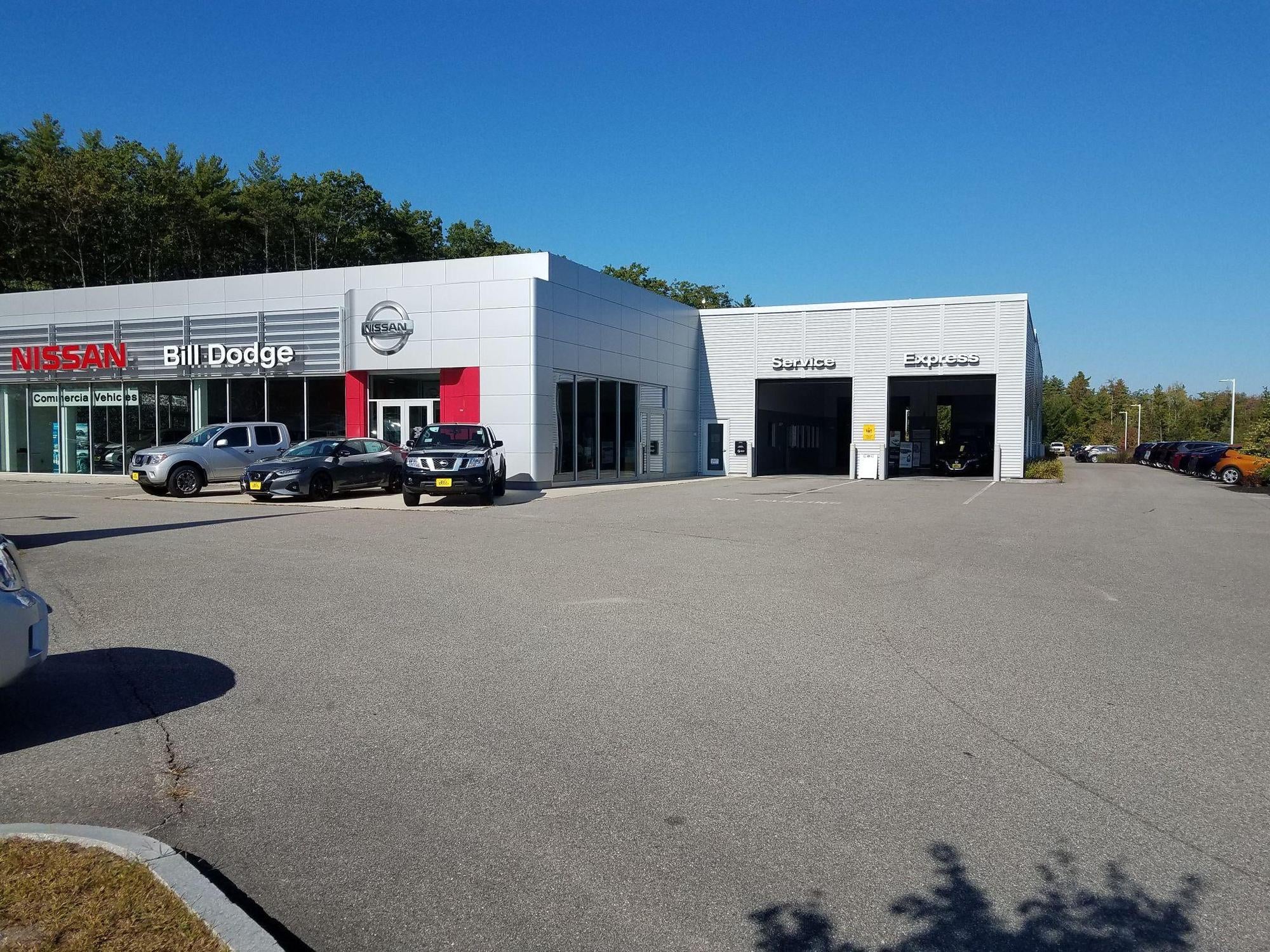
At Bill Dodge Nissan, we know that Maine winters can put a serious strain on vehicles, even those equipped for inclement weather with Nissan's reliable All-Wheel Drive systems. As we approach the colder months, the service center at our Saco Nissan dealership is here to help you get your AWD vehicle ready for snow and ice, so you can drive safely throughout the winter. The best time to prepare your vehicle for colder weather is in the fall, before temperatures drop. With a little bit of advanced planning, and help from our expert Nissan technicians, you'll be ready to tackle any weather come winter.
Winter Maintenance for Nissan AWD Vehicles
Preparing a Nissan AWD vehicle for winter requires inspecting the battery and charging system, testing coolant freeze protection, setting cold-weather tire pressure, installing winter wiper blades with sub-zero washer fluid, and servicing the all-wheel-drive differential fluids. These tasks are part of Nissan routine maintenance for fall, and will help ensure maximum traction, reliable starting, and safe visibility before coastal freeze cycles begin.Autumn in Saco brings dramatic temperature drops, coastal moisture, and early freezing rain that transform local roadways overnight. Driving along Route 1 or commuting toward Portland requires a vehicle that responds predictably to sudden loss of traction. While an all-wheel-drive system provides a strong foundation for winter capability, mechanical readiness depends on thorough preventative maintenance performed before the first snowstorm arrives.
A comprehensive fall winterization checkup focuses on key mechanical systems that suffer high stress during sub-freezing weather:
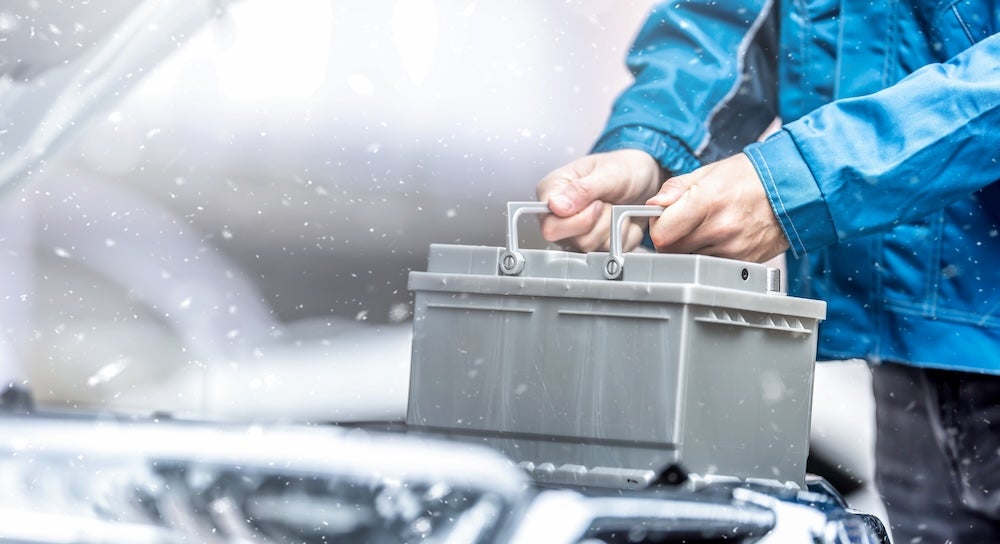
● Battery and Electrical System: Cold ambient temperatures reduce battery chemical activity while requiring more electrical current to crank a cold engine. A professional load test identifies weak cells before winter non-starts occur.
● Cooling System and Engine Fluids: Engine coolant must maintain proper antifreeze concentration to prevent fluid lines from freezing and engine blocks from cracking. Fresh synthetic engine oil ensures immediate lubrication during icy morning starts.
● Drivetrain and Differential Care: Inspecting front transfer cases and rear differential fluid levels in models like the Nissan Rogue or Nissan Murano keeps the internal clutch packs operating cleanly.
● Brake Inspection: Road salt and brine accelerate rotor corrosion and caliper slide binding. Inspecting pad thickness and slide lubrication prevents uneven braking on ice.
Are Winter Tires Necessary on a Nissan AWD Vehicle?
All-wheel drive assists with acceleration and forward momentum on slippery roads, but it does not improve cornering grip or decrease stopping distances on snow and ice. Dedicated winter tires are essential in cold climates because their specialized silica rubber compounds remain flexible below 45 degrees Fahrenheit, providing significantly shorter stopping distances than standard all-season tires.
A common winter driving misconception is that all-wheel drive eliminates the need for winter tires. Drivetrain power helps accelerate a vehicle from a stop, but every vehicle on the road relies on four wheels for braking and steering. When slowing down or turning on icy curves near Saco, traction is dictated entirely by tire rubber compound and tread geometry, regardless of how many wheels receive engine power.
Standard all-season tires harden when temperatures fall below freezing, causing tires to slide across ice like hockey pucks. Winter tires use flexible rubber compounds mixed with a high silica content, deep tread blocks, and thousands of microscopic sipes that create biting edges on ice. Equipping AWD Nissan models with winter tires delivers maximum stability during coastal winter storms.
What Is the Recommended Tire Pressure and Check Schedule for Cold Winters?
It's a good idea to check your tire pressure whenever temperatures start to drop. Tire pressure drops by approximately 1 PSI for every 10-degree Fahrenheit drop in outside temperature, requiring drivers to check tire pressure at least once a month and after major cold fronts.Recommended winter tire pressure is specified on the tire pressure placard located on the driver-side door jamb of your Nissan.Ambient temperature drops cause air molecules inside sealed tires to contract, reducing internal pressure without any physical leak. When autumn temperatures fluctuate sharply, a sudden
30-degree drop can deflate tires by 3 PSI overnight.
Driving on significantly underinflated tires creates several severe winter hazards:
● Reduced Traction: Underinflation causes the center of the tire tread to cup inward, lifting essential tread contact away from the road surface and reducing grip on ice.
● Increased Wheel Damage Risk: Soft tires allow hard impacts from winter potholes to transfer directly to wheel rims, bending aluminum wheels and damaging internal tire plies.
● Uneven Tread Wear: Lower pressure increases shoulder wear on tires, shortening overall tire lifespan and creating uneven handling.
Nissan vehicles include a Tire Pressure Monitoring System (TPMS) with Easy-Fill Tire Alert, which simplifies inflation by sounding the vehicle horn when proper tire pressure is reached. Drivers should always check tire pressure first thing in the morning before driving, as tire friction from driving warms internal air and gives artificially high pressure readings.
Is Dealer Winterization Service More Cost-Effective Than Independent Repair Shops?
Having your Nissan winterized at a dealer service center provides greater long-term cost-effectiveness than using an independent repair shop, thanks to using genuine OEM Nissan parts, factory-calibrated diagnostic tools, and factory-trained technicians specialized in proprietary Nissan systems. While independent shops may present slightly lower initial estimate quotes, dealer service eliminates misdiagnosis risks and protects factory warranty coverage.
Key advantages of factory-certified service during winter preparation include:
● Proprietary Diagnostic Scanners: Specialized computer equipment interfaces directly with Nissan Intelligent AWD modules, VDC stability controllers, and engine management sensors to clear latent fault codes and update vehicle software.
● Exact-Spec OEM Fluids: Factory technicians utilize exact-viscosity lubricants for transfer cases and rear differentials, preserving clutch friction parameters and preventing internal wear.
● Comprehensive Winter Inspection Standards: Factory-trained technicians perform multi-point inspections following manufacturer guidelines, checking battery health, belt tensioners, brake calipers, and heating systems.
Common Questions About Nissan Winter Maintenance in Saco, ME
How often should I check my battery during Maine winter months?
You should have your Nissan's battery professionally load-tested during your fall maintenance appointment and inspect the terminals monthly for corrosion. Cold ambient temperatures significantly reduce battery chemical capacity while increasing the engine cranking power required to start a cold engine. Batteries older than three years are particularly vulnerable to sudden failure during freezing snaps, making proactive autumn testing the best way to prevent cold-morning non-starts.
Can I keep my winter tires installed all year long?
Leaving winter tires on your vehicle during warm weather is not recommended because soft winter rubber compounds wear down rapidly on warm pavement above 45 degrees Fahrenheit. Higher temperatures cause winter tread blocks to squirm, which reduces handling precision, increases braking distances, and reduces fuel economy. Swapping back to all-season or performance tires in early spring preserves your winter tire investment for future snow seasons.
Should I warm up my Nissan engine for ten minutes before driving in winter?
Modern fuel-injected Nissan engines only require about thirty seconds to a minute of idling after cold startup to establish proper oil pressure before driving. Excessively long idling wastes fuel, increases engine wear from unburned fuel washing down cylinder walls, and releases unnecessary exhaust emissions. Driving gently for the first few miles warms up the engine, transmission, and all-wheel-drive fluids much faster and more efficiently than stationary idling.
Where can I find deals on Nissan service near me?
Bill Dodge Nissan offers some of the best service specials in the Saco area, making it cost-effective to maintain your vehicle throughout the year. Whether you're looking for deals on routine fall maintenance, parts specials, or our Nissan tire price match for winter tires, our service department can help you find a great price on your next service appointment.
Schedule Fall Service at Bill Dodge Nissan
Scheduling your fall winterization service early ensures your vehicle is fully prepared before cold weather arrives. Visiting our dedicated service facility provides factory-certified maintenance, genuine OEM parts, and expert care tailored to your exact model. Whether your vehicle requires a winter multi-point inspection, a fresh battery, winter tire mounting, or differential fluid maintenance, the Nissan-certified technicians at Bill Dodge Nissan are here to help. If you have any questions about getting a head start on your Nissan's winter maintenance this fall, please don't hesitate to get in touch.